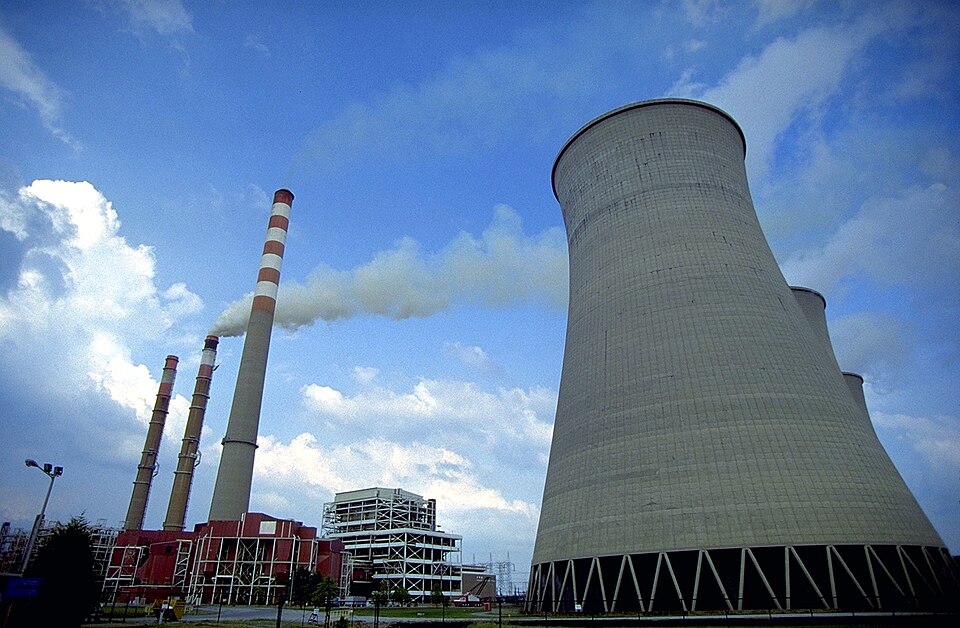
The Tennessee Valley Authority (TVA) Paradise Fossil Plant in Drakesboro, Kentucky, reportedly used asbestos-containing materials extensively during its construction and operation. Former workers, their families, and others present at the plant may have been exposed to hazardous asbestos fibers. Exposure can lead to serious health conditions such as mesothelioma, lung cancer, and asbestosis. If you or a loved one developed an asbestos-related disease after working at Paradise Fossil Plant, seeking a qualified mesothelioma lawyer Kentucky residents trust is critical. An experienced asbestos attorney Kentucky can help navigate the complexities of these cases.
URGENT FILING DEADLINE WARNING FOR KENTUCKY RESIDENTS: Kentucky has one of the shortest statutes of limitations for asbestos claims in the nation. Families typically have as little as 12 months (one year) from the date of diagnosis to file a personal injury lawsuit (KRS § 413.140(1)(a)). For wrongful death claims, the deadline is also generally one year from the date of death (KRS § 411.130). Do not delay — immediate action is critical to protect your legal rights. Consulting an asbestos cancer lawyer Louisville or elsewhere in Kentucky is essential given these tight deadlines.
Consult the AsbestosIndex Product Crosswalk for power generation facilities for specific asbestos-containing products and manufacturers relevant to power plants.
Paradise Fossil Plant History and Asbestos Exposure in Kentucky
The Paradise Fossil Plant began operations with two units in 1963, featuring Babcock & Wilcox pulverized coal-fired boilers (per EIA Form 860 Annual Electric Generator Report). A third, larger unit, with a Combustion Engineering boiler, came online in 1970 (per EIA Form 860 Annual Electric Generator Report). Power plants of this era, including other Kentucky facilities like LG&E power plants, reportedly used vast quantities of asbestos-containing materials. Asbestos provided superior heat resistance, insulating properties, and durability, making it a common choice for industrial applications across the state. This widespread asbestos exposure Kentucky industrial workers faced is a key factor in current litigation.
Asbestos reportedly insulated numerous components to manage extreme temperatures and pressures inherent in power generation. This practice continued for many years. Health risks of asbestos became widely recognized, and regulations restricted its use. Even after new asbestos-containing materials were no longer installed, existing asbestos insulation and components reportedly remained. These materials posed risks during maintenance, repair, and demolition activities until the plant’s full retirement in 2020.
Alleged Asbestos Exposure Locations at Paradise Fossil Plant
Asbestos-containing materials were reportedly present throughout the Paradise Fossil Plant. Workers may have encountered asbestos in areas including:
- Boiler Rooms: Boilers, such as the Babcock & Wilcox units (online 1963) and the Combustion Engineering unit (online 1970), allegedly contained asbestos-containing block insulation, refractory cements, and lagging. Similar materials were reportedly found in boilers at other Kentucky industrial sites.
- Turbine and Generator Areas: Steam turbines, like the General Electric units commissioned in 1963 and 1970 (per North American Powerhouse database), and associated generators, reportedly required high-temperature asbestos block insulation, pipe covering, and gaskets.
- Piping Systems: Miles of steam and water pipes allegedly contained asbestos pipe covering and insulating cement. This was a common application in industrial facilities throughout Kentucky, including Armco Steel Ashland and General Electric Appliance Park Louisville.
- Valves and Pumps: Gaskets, packing, and seals in valves and pumps throughout the plant reportedly contained asbestos.
- Electrical Components: Electrical panels, wiring insulation, and conduit seals may have incorporated asbestos for fireproofing and heat resistance, a practice also seen at facilities like the US Army Depot Richmond.
- Structural Components: Spray fireproofing, ceiling tiles, floor tiles, and transite panels, all reportedly containing asbestos, were used in various parts of the plant.
- Construction Materials: Roofing materials, siding, and other general construction products used in the plant’s buildings may have also contained asbestos.
Refer to the AsbestosIndex Product Crosswalk for a list of asbestos-containing materials used in power generation facilities.
Trades Allegedly Exposed to Asbestos at Paradise Fossil Plant
Any worker involved in the construction, operation, or maintenance of the Paradise Fossil Plant before the 1980s may have been exposed to asbestos. Trades with a particularly high risk of exposure reportedly included:
- Insulators (Heat and Frost Insulators): These workers regularly handled, cut, and applied asbestos-containing pipe covering, block insulation, and insulating cements. Members of Asbestos Workers Local 76, based in Kentucky, may have performed these tasks.
- Pipefitters: When installing, repairing, or removing pipes, pipefitters allegedly disturbed asbestos insulation, gaskets, and packing.
- Boilermakers: Boilermakers working on boilers, furnaces, and related equipment reportedly encountered asbestos refractory materials, insulation, and gaskets. Boilermakers Local 40, a Kentucky-based union, may have had members working at the site.
- Electricians: Electricians installing or repairing wiring, conduits, and electrical panels may have been exposed to asbestos in electrical insulation and fireproofing materials. IBEW Local 369, serving the Louisville area, may have represented some of these workers.
- Machinists: Machinists working on pumps, valves, and other mechanical equipment often replaced asbestos gaskets and packing.
- Laborers: General laborers involved in cleanup, demolition, and material handling tasks were frequently exposed to asbestos dust.
- Welders: Welders often worked near asbestos-insulated components and may have disturbed these materials.
- Maintenance Workers: Routine maintenance, including repairs, replacements, and inspections of various plant systems, reportedly led to repeated asbestos exposures.
- Construction Workers: During initial construction and subsequent expansions, all trades involved in building the plant’s infrastructure likely encountered asbestos materials. This includes workers in the Eastern Kentucky coalfields, many of whom were members of the UMWA.
Cutting, drilling, sanding, removing, or disturbing asbestos-containing materials released microscopic asbestos fibers into the air. Workers could then inhale or ingest these fibers. This may lead to internal damage that manifests as disease decades later.
Asbestos-Related Diseases and Their Latency
Asbestos exposure does not cause immediate symptoms. Asbestos fibers, once inhaled or ingested, can remain in the body for decades. This can lead to the development of severe and often fatal diseases. The latency period for asbestos-related diseases typically ranges from 10 to 50 years or more after initial exposure.
Primary diseases linked to asbestos exposure include:
- Mesothelioma: A rare and aggressive cancer affecting the lining of the lungs (pleural mesothelioma), abdomen (peritoneal mesothelioma), or heart (pericardial mesothelioma). Asbestos exposure almost exclusively causes it.
- Asbestosis: A chronic, non-cancerous lung disease. It features scarring of the lung tissue, leading to shortness of breath and reduced lung function.
- Lung Cancer: Asbestos exposure significantly increases the risk of developing lung cancer. This risk is higher for individuals who also smoke.
- Other Cancers: Asbestos exposure has also been linked to an increased risk of cancers of the larynx, pharynx, ovaries, and stomach.
Seek legal counsel immediately if you or a loved one worked at the Paradise Fossil Plant and received an asbestos-related disease diagnosis. Understand your rights and legal recourse options, especially given Kentucky’s strict deadlines. An asbestos attorney Kentucky residents can rely on will be crucial in this process.
Legal Options for Paradise Fossil Plant Asbestos Victims and Kentucky’s Statute of Limitations
Asbestos exposure victims from the Paradise Fossil Plant may pursue several legal avenues to pursue a claim. These avenues cover medical expenses, lost wages, and pain and suffering.
- Asbestos Trust Fund Claims: Many companies that manufactured or used asbestos-containing products filed for bankruptcy. They established trust funds to compensate future victims. Kentucky residents, like those across the nation, can file claims against these funds simultaneously with pursuing civil lawsuits. This is often referred to as an asbestos trust fund Kentucky claim. While most asbestos trusts do not have strict time limits, their assets can deplete over time, so filing now is advisable.
- Civil Lawsuits: File a personal injury lawsuit against manufacturers of asbestos-containing products used at the Paradise Fossil Plant. These lawsuits hold negligent companies accountable for their role in asbestos exposure. Cases are often filed in Kentucky state courts such as the Jefferson County asbestos lawsuit filings in the Jefferson County Circuit Court (Louisville) or the Fayette County Circuit Court (Lexington).
- Wrongful Death Claims: If a loved one died from an asbestos-related disease, their family may file a wrongful death lawsuit or trust fund claim to recover damages.
State laws govern filing deadlines, known as statutes of limitations. In Kentucky, the personal injury statute of limitations for asbestos-related claims is generally one year from the date of diagnosis (KRS § 413.140(1)(a)), making it one of the shortest in the nation. For wrongful death claims, the statute of limitations is typically one year from the date of death (KRS § 411.130). This is often referred to as the Kentucky mesothelioma one year deadline or the Kentucky asbestos statute of limitations. Nuances and exceptions exist, but the extremely short one-year window means consulting an attorney promptly is absolutely essential to meet the asbestos lawsuit Kentucky filing deadline.
An experienced asbestos litigation law firm can:
- Investigate your work history and identify potential asbestos exposure sources.
- Gather evidence, including medical records and witness testimony.
- Determine liable asbestos trust funds or companies.
- File claims and lawsuits within strict legal deadlines.
- Negotiate settlements or represent you in court.
- Trust fund claims and civil lawsuits pursued simultaneously.
Contact an Asbestos Attorney Today
Time is precious, especially with Kentucky’s stringent one-year filing deadline. Unfortunately, many of the coworkers who shared shifts with you in the earlier years of your career may no longer be reachable. If you worked at the Paradise Fossil Plant and received a diagnosis of mesothelioma, asbestosis, or lung cancer, or if a family member has, call a qualified asbestos attorney today to discuss your legal options and ensure your rights are protected before it’s too late. A dedicated mesothelioma lawyer Kentucky can provide the guidance you need.
Data Sources
Information about facility equipment, industrial materials, and occupational records referenced on this page is drawn from publicly available sources where applicable, including:
- EPA ECHO Facility Compliance Database — enforcement and compliance records for industrial facilities
- OSHA Establishment Search — federal workplace inspection history
- EIA Form 860 Plant Data — power plant equipment and ownership records (where applicable)
- Kentucky Energy and Environment Cabinet records
- Published asbestos trial and trust fund records (publicly filed court documents)
If specific equipment or product claims in this article are sourced from a non-public database, the source is identified parenthetically within the text above.
← Back to Kentucky Jobsite Asbestos Records
For informational purposes only. Not legal advice. No attorney-client relationship is created by reading this page. © 2026 Rights Watch Media Group LLC — Disclaimer · Privacy · Terms · Copyright