URGENT WARNING: Kentucky has one of the shortest asbestos filing deadlines in the nation. If you or a loved one has been diagnosed with an asbestos-related disease, you have as little as 12 months from the date of diagnosis to file a personal injury claim. For wrongful death claims, the deadline is also one year from the date of death. Time is critical — act now to protect your rights and consult with a Kentucky mesothelioma lawyer.
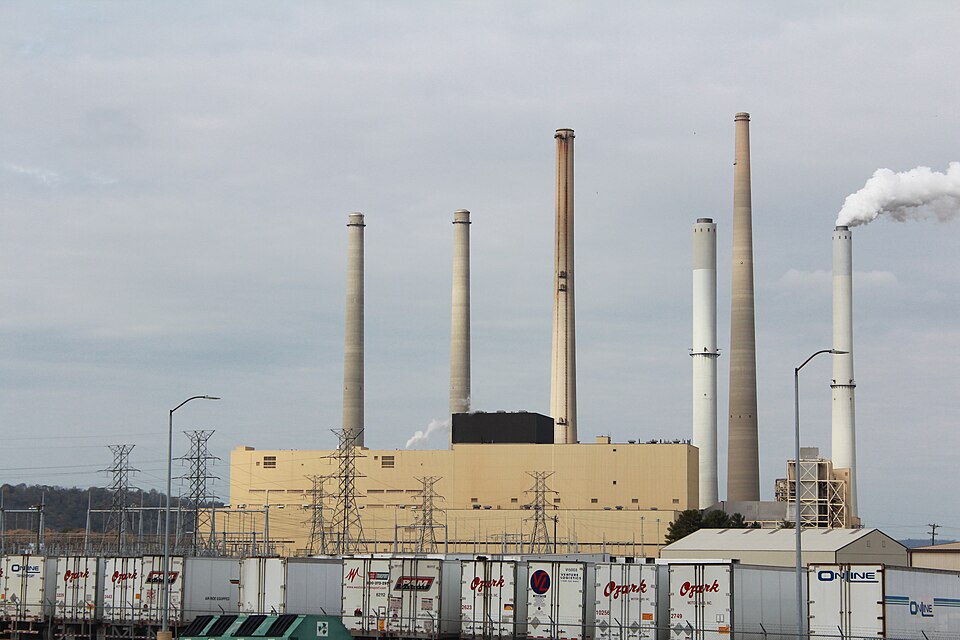
Spurlock Power Station, an East Kentucky Power Cooperative facility in Maysville, Kentucky, reportedly used asbestos-containing materials during its construction and operation. This applies particularly to units brought online in the mid-to-late 20th century. Former workers, their families, and employees present at the site may have faced exposure to hazardous asbestos fibers. Such exposure can lead to severe asbestos-related diseases like mesothelioma or asbestosis decades later. If you or a family member worked at Spurlock Power Station and later developed an asbestos-related illness, an experienced asbestos attorney in Kentucky can help you understand your legal options.
Refer to the AsbestosIndex Product Crosswalk to find specific asbestos-containing products and the manufacturers alleged to have supplied them to facilities like Spurlock Power Station.
Spurlock Power Station History and Alleged Asbestos Use
Spurlock Power Station’s Unit 1 began commercial operation in 1977. Unit 2 followed in 1981, Unit 3 in 1993, and Unit 4 in 2005. Construction and initial operation of Units 1 and 2 occurred when asbestos-containing materials were common in industrial settings. Asbestos offered heat resistance, insulation, and durability. This made it a prevalent component in power plant infrastructure throughout Kentucky, including facilities like LG&E power plants and the Armco Steel Ashland plant.
Asbestos was reportedly integrated into many components across the power station, primarily as thermal insulation for high-temperature equipment and for fireproofing. This widespread application suggests many plant areas, including the boiler house, turbine hall, and piping systems, may have contained asbestos-containing materials.
Areas with Alleged Asbestos-Containing Materials at Spurlock Power Station
Industrial facilities such as Spurlock Power Station commonly contained asbestos-containing materials in:
- Boilers and Furnaces: Insulation around boilers, refractory materials, and gaskets within these high-temperature systems allegedly contained asbestos. Spurlock Power Station Unit 1 used a Riley Stoker boiler, commissioned in 1977 (per EIA Form 860 Annual Electric Generator Report).
- Piping and Ductwork: Pipe networks carrying steam and hot water were often wrapped with asbestos-containing pipe covering and insulating cement. Ducts for ventilation and exhaust systems also reportedly used asbestos insulation.
- Turbines and Generators: Insulation for steam turbines and electrical generators, along with gaskets and packing materials, are alleged to have contained asbestos. Spurlock Power Station Unit 1 used a General Electric TC4F26 steam turbine and a General Electric 337MVA generator, both commissioned in 1977 (per EIA Form 860 Annual Electric Generator Report). Facilities like General Electric Appliance Park in Louisville also reportedly utilized similar components.
- Valves and Pumps: Gaskets, valve packing, and insulation on these components reportedly incorporated asbestos.
- Electrical Components: Electrical panels, wiring insulation, and conduit seals may have contained asbestos for heat resistance and fireproofing.
- Structural Fireproofing: Spray fireproofing materials applied to structural steel beams and columns often contained asbestos fibers.
- Flooring and Roofing Materials: Certain floor tile, mastics, and roofing materials in administrative or less industrial areas of the plant may also have contained asbestos.
Consult the AsbestosIndex Product Crosswalk for a list of asbestos-containing products and their alleged manufacturers relevant to facilities like Spurlock Power Station.
Trades and Occupations Potentially Exposed to Asbestos at Spurlock Power Station
Pervasive use of asbestos-containing materials meant many trades and personnel at Spurlock Power Station may have faced exposure risks. These include:
- Insulators: Workers specializing in applying and removing insulation faced high risk. They directly handled asbestos-containing pipe covering, block insulation, and insulating cements. Union members from locals such as Asbestos Workers Local 76, which served many Kentucky jobsites, may have performed this work.
- Pipefitters: Pipefitters reportedly disturbed asbestos-containing pipe insulation and handled asbestos gaskets and packing materials when installing, repairing, or removing pipes. Members of unions like the UA Local (Plumbers & Pipefitters) may have been involved.
- Boilermakers: Those involved in boiler construction, maintenance, and repair worked closely with asbestos-containing refractory, insulation, and gaskets within boiler systems. Boilermakers Local 40 members, active across Kentucky, may have been among those exposed.
- Electricians: Electricians working on electrical conduits, panels, and wiring may have encountered asbestos in insulation materials, arc chutes, and other electrical components. IBEW Local 369 members, particularly active in the Louisville area and beyond, may have worked at such sites.
- Maintenance Workers: General maintenance staff often performed repairs on plant systems. They could have allegedly disturbed asbestos-containing materials without specific training or protective equipment.
- Laborers: Workers assisting various trades, performing cleanup, or moving materials, may have been exposed to airborne asbestos fibers. This includes workers at various industrial facilities and even locations like the US Army Depot in Richmond.
- Operating Engineers: Those operating plant machinery daily may have faced exposure during routine checks or minor equipment adjustments.
- Construction Workers: During initial build-out and subsequent expansions, many construction trades reportedly worked with or around asbestos-containing materials. This includes individuals who may have worked at coal mines in the Eastern Kentucky coalfields, where UMWA members often encountered asbestos.
Exposure was not limited to those directly handling asbestos. Anyone working near these activities, or in areas where asbestos materials were disturbed, could have inhaled airborne fibers. Family members of workers may have faced secondary exposure through asbestos fibers reportedly brought home on clothing, hair, or tools.
Asbestos-Related Diseases and Their Latency
Asbestos fiber exposure can lead to several severe and often fatal diseases. These conditions typically have long latency periods. Symptoms may not appear for decades after initial exposure. Common asbestos-related diseases include:
- Mesothelioma: A rare and aggressive cancer affecting the lining of the lungs (pleural mesothelioma), abdomen (peritoneal mesothelioma), or heart (pericardial mesothelioma). Asbestos exposure almost exclusively causes it.
- Lung Cancer: Asbestos exposure increases the risk of developing lung cancer, especially for individuals who also smoke.
- Asbestosis: A chronic, non-cancerous respiratory disease. It features scarring of the lung tissue, leading to shortness of breath, coughing, and reduced lung function.
- Other Cancers: Studies suggest a possible link between asbestos exposure and cancers of the larynx, pharynx, stomach, and colon.
Legal Options for Asbestos Exposure Victims in Kentucky
Individuals diagnosed with an asbestos-related disease after working at Spurlock Power Station or other Kentucky jobsites may have legal recourse. It is critical to act quickly due to Kentucky’s extremely strict legal deadlines. An experienced asbestos cancer lawyer in Louisville or elsewhere in Kentucky can provide crucial guidance.
In Kentucky, the statute of limitations for personal injury claims related to asbestos exposure is one year from the date of diagnosis under KRS § 413.140(1)(a). This is one of the shortest deadlines in the entire nation, emphasizing the extreme urgency required. For wrongful death claims, the statute of limitations is also one year from the date of death under KRS § 411.130. Families have as little as 12 months after diagnosis or death to file. This short Kentucky mesothelioma one year deadline makes immediate action imperative for any asbestos lawsuit Kentucky filing deadline.
Legal options typically include:
- Trust fund claims and civil lawsuits pursued simultaneously
- Civil lawsuits in Kentucky venues such as Jefferson County Circuit Court (Louisville) or Fayette County Circuit Court (Lexington) for a Jefferson County asbestos lawsuit.
Why You Need an Experienced Asbestos Attorney
If you or a loved one has been diagnosed with mesothelioma, asbestosis, or another asbestos-related disease after working at Spurlock Power Station, contact an experienced asbestos litigation law firm immediately. These firms identify exposure sources, gather evidence, and navigate the complex legal process to pursue a legal claim through options like an asbestos trust fund Kentucky. Unfortunately, many of the coworkers who shared shifts with you in the earlier years of your career may no longer be reachable. Time is precious.
Call today to discuss your legal options and protect your rights.
Data Sources
Information about facility equipment, industrial materials, and occupational records referenced on this page is drawn from publicly available sources where applicable, including:
- EPA ECHO Facility Compliance Database — enforcement and compliance records for industrial facilities
- OSHA Establishment Search — federal workplace inspection history
- EIA Form 860 Plant Data — power plant equipment and ownership records (where applicable)
- Kentucky Energy and Environment Cabinet records
- Published asbestos trial and trust fund records (publicly filed court documents)
If specific equipment or product claims in this article are sourced from a non-public database, the source is identified parenthetically within the text above.
← Back to Kentucky Jobsite Asbestos Records](/jobsites/)
For informational purposes only. Not legal advice. No attorney-client relationship is created by reading this page. © 2026 Rights Watch Media Group LLC — Disclaimer · Privacy · Terms · Copyright